What Is the Dark Side of Falling in Love?

Love is one of the strongest human emotions. It can bring happiness, comfort, and a deep sense of connection. It can also affect the brain in ways that change how we think, feel, and act. While healthy love improves emotional well-being, unhealthy love can lead to stress, anxiety, emotional pain, and even abuse. Research shows that love influences brain chemicals such as dopamine, oxytocin, and serotonin, which explains why people often feel intense emotions during the early stages of a relationship (insights supported by research from Helen Fisher's Research).
So, what is the dark side of falling in love? It is the set of emotional, psychological, physical, and social risks that can appear when love becomes unhealthy, obsessive, controlling, or abusive.
This article explains the hidden side of love, the warning signs, and ways to build healthier relationships.
Why Falling in Love Can Feel So Powerful
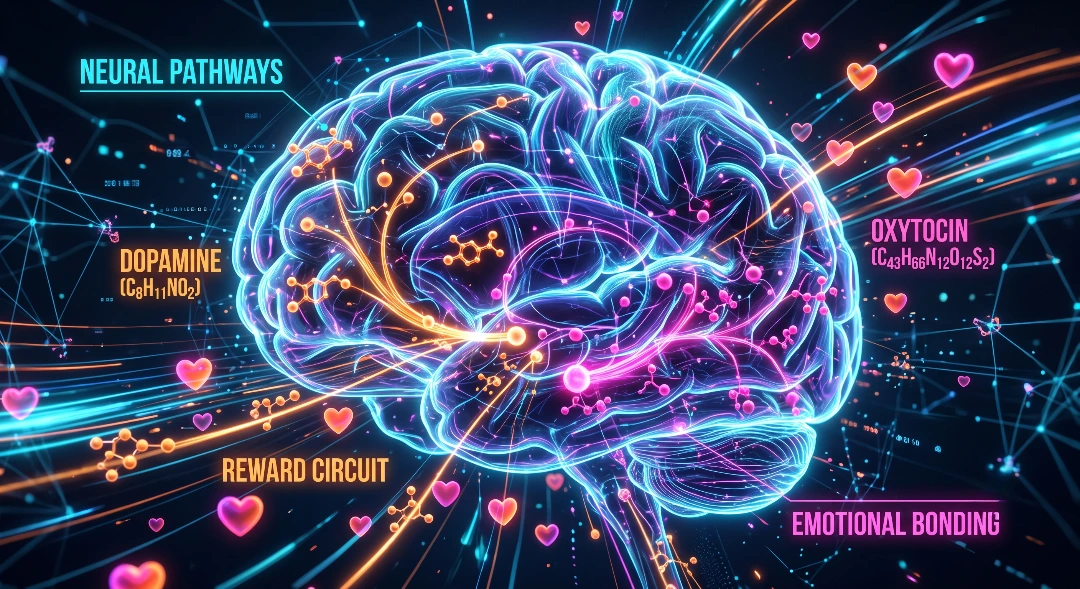
When people fall in love, the brain releases chemicals that create feelings of pleasure, excitement, and attachment.
Some of the most important chemicals include:
|
Brain Chemical |
Role in Love |
Possible Dark Side
|
|
Dopamine |
Creates pleasure and reward |
Can lead to addictive feelings |
|
Oxytocin |
Builds trust and bonding |
May cause people to ignore warning signs |
|
Serotonin |
Affects mood |
Low levels may increase obsessive thinking |
|
Cortisol |
Stress hormone |
Increases during heartbreak and conflict |
Scientists have found that early romantic love activates reward systems in the brain similar to those involved in addiction (Fisher, Aron, & Brown, 2005, Romantic love: A mammalian brain system for mate choice; Acevedo, Aron, Fisher, & Brown, 2012, Neural correlates of long-term intense romantic love). This explains why people often think about their partner constantly during the first stages of love.
The Psychological Dark Side of Falling in Love
Falling in love can trigger powerful psychological changes. Intense emotions may lead to obsessive thoughts, emotional dependency, jealousy, anxiety, or fear of rejection. People may ignore red flags, idealize their partner, or lose their sense of identity. Understanding these patterns helps build healthier relationships based on trust, self-awareness, and emotional balance.
Unhealthy Attachment Styles
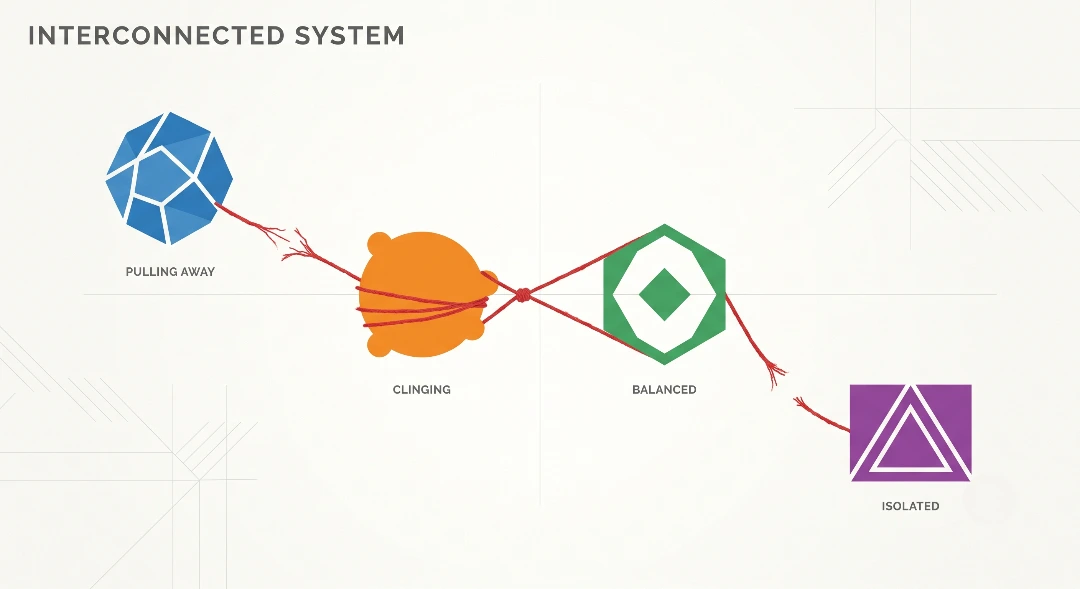
Not everyone experiences love in the same way.
Psychologists describe four main attachment styles that influence romantic relationships (regularly detailed in publications like the Journal of Social and Personal Relationships):
|
Attachment Style |
Common Traits |
Possible Problems
|
|
Secure |
Trusting and emotionally balanced |
Healthy relationships |
|
Anxious |
Fear of rejection |
Jealousy and clinginess |
|
Avoidant |
Emotionally distant |
Fear of commitment |
|
Disorganized |
Mixed emotions |
Unstable relationships |
People with anxious attachment often worry about being abandoned. They may become overly dependent on their partner or constantly seek reassurance.
Obsession Instead of Love
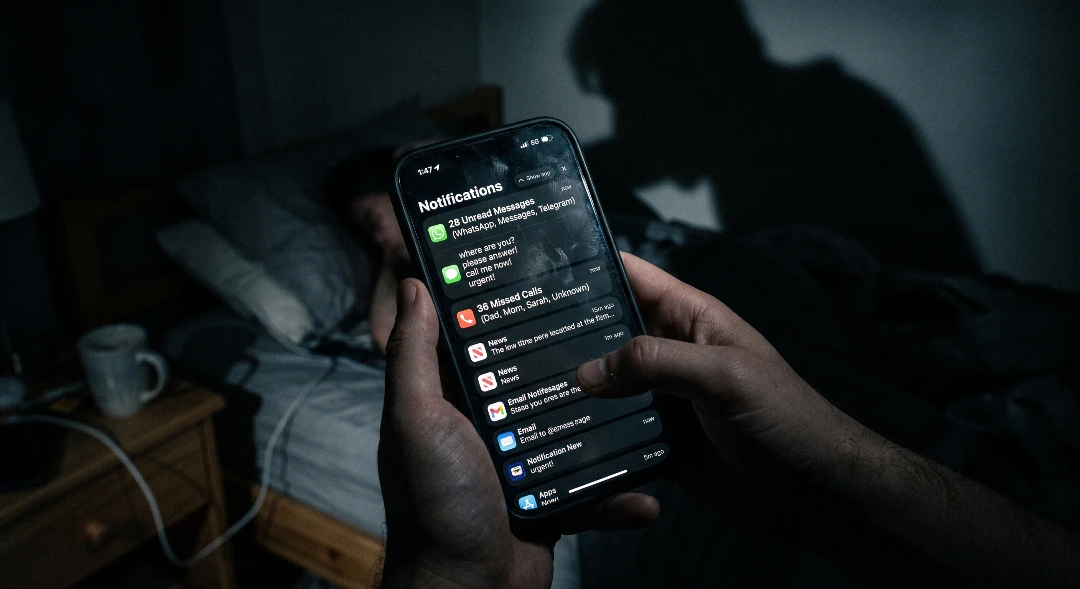
Love should not replace your identity.
Sometimes romantic attraction turns into obsession. A person may:
- Think about their partner all day
- Ignore friends and family
- Lose interest in hobbies
- Feel unable to function without the relationship
This pattern is sometimes linked to limerence, an intense emotional fixation that can resemble addiction (Tennov, Dorothy, 1979, Love and Limerence: The Experience of Being in Love, Internet Archive link).
Ignoring Red Flags
During the early stages of love, people often idealize their partner.
Common thinking mistakes (discussed in research such as Hatfield, E., & Sprecher, S., 1986, Mirror, Mirror: The Importance of Looks in Everyday Life) include:
- Believing the partner is perfect
- Excusing harmful behavior
- Ignoring obvious warning signs
- Assuming problems will disappear over time
These mental biases make it difficult to judge relationships objectively.
Emotional Effects of Unhealthy Love
Unhealthy love can cause emotional exhaustion, anxiety, low self-esteem, constant stress, and feelings of loneliness. It may create insecurity, fear of abandonment, and emotional dependence, making it difficult to maintain healthy boundaries or experience genuine happiness in the relationship.
Anxiety and Depression
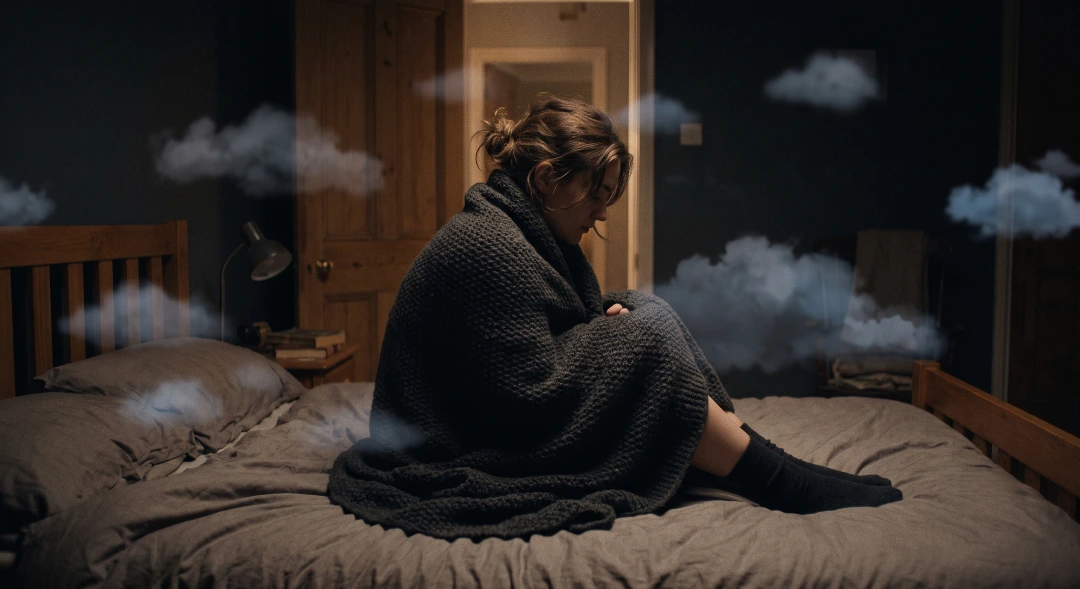
Love can improve mental health, but unhealthy relationships often do the opposite (as monitored by organizations like the American Psychological Association (APA) and the National Institute of Mental Health (NIMH)).
People experiencing relationship problems may develop:
- Anxiety
- Depression
- Panic attacks
- Sleep problems
- Loss of appetite
- Constant stress
Research also shows that serious breakups increase emotional distress and may worsen existing mental health conditions.
Heartbreak Can Feel Physical

Many people describe heartbreak as physical pain.
There is a scientific reason for this.
After a breakup:
- Dopamine levels fall.
- Stress hormones rise.
- Brain regions linked to physical pain become active (studies in Biological Psychiatry analyze these neural pathways).
In rare cases, severe emotional stress can even lead to Broken Heart Syndrome (Takotsubo cardiomyopathy), a temporary heart condition triggered by intense emotional shock (frequently documented by medical centers like the Cleveland Clinic and the Mayo Clinic).
When Love Becomes Toxic
Love becomes toxic when trust is replaced by control, respect by manipulation, and support by constant criticism. A toxic relationship often involves jealousy, emotional abuse, dishonesty, or unhealthy dependence. Recognizing these warning signs early helps protect your mental well-being, set healthy boundaries, and make informed relationship decisions.
Jealousy and Possessiveness
A little jealousy can happen in relationships.
Extreme jealousy is different.
Warning signs include:
- Constant checking of messages
- Tracking someone's location
- Controlling friendships
- Accusing a partner without evidence
- Trying to isolate the partner
These behaviors damage trust and often become more serious over time.
Emotional Abuse
Emotional abuse does not always leave visible injuries.
Examples include:
- Gaslighting
- Constant criticism
- Humiliation
- Threats
- Manipulation
- Silent treatment
- Isolation from loved ones
Over time, emotional abuse can seriously reduce confidence and increase anxiety.
Codependency
Codependency happens when one person's happiness depends entirely on the other.
Common signs include:
- Fear of being alone
- Giving up personal goals
- Feeling responsible for another person's emotions
- Staying in unhealthy relationships despite ongoing harm
Healthy love allows both partners to grow as individuals.
Social and Financial Consequences
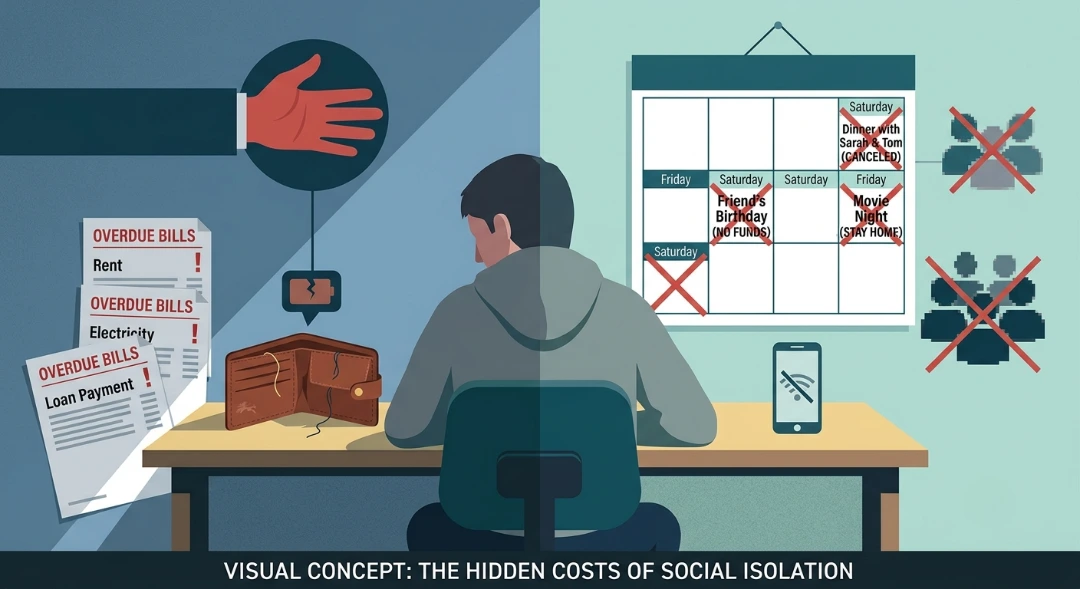
The dark side of falling in love extends beyond emotions.
Unhealthy relationships may lead to:
- Social isolation
- Financial dependence
- Career setbacks
- Family conflict
- Long-term stress
- Reduced self-confidence
Financial control is also common in abusive relationships. One partner may prevent the other from working, control money, or create financial dependence.
Who Is Most at Risk?
Anyone can experience unhealthy love.
However, research suggests higher risks for:
- Teenagers
- Young adults
- People with childhood trauma
- Individuals with anxious attachment
- People with low self-esteem
- Survivors of previous abusive relationships
Cultural expectations, gender roles, and financial hardship can also increase vulnerability (societal and interpersonal dynamics analyzed in journals like Nature Human Behaviour).
Healthy Love vs Unhealthy Love
|
Healthy Love |
Unhealthy Love
|
|
Mutual trust |
Constant suspicion |
|
Respect |
Control |
|
Open communication |
Manipulation |
|
Emotional support |
Emotional dependence |
|
Personal growth |
Loss of identity |
|
Healthy boundaries |
Isolation |
How to Protect Yourself
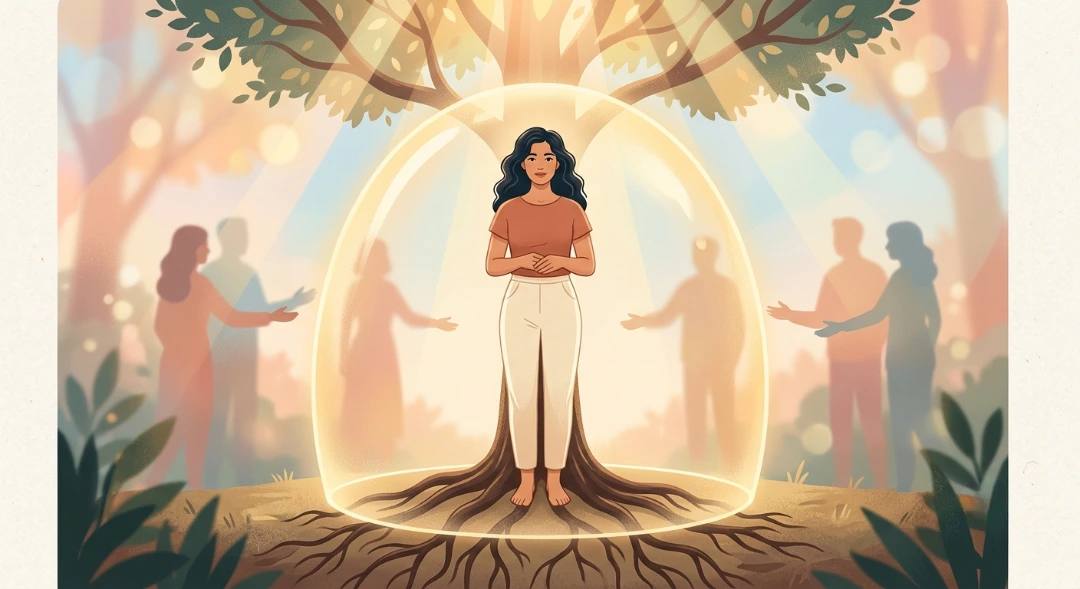
Healthy relationships require effort from both partners (work promoted by institutions like The Gottman Institute and the Greater Good Science Center (UC Berkeley)).
Here are practical ways to reduce the risks:
- Learn healthy communication skills.
- Set clear personal boundaries.
- Keep close relationships with friends and family.
- Notice controlling behavior early.
- Seek counseling if problems continue.
- Leave relationships that involve abuse.
- Ask trusted people for support when needed.
Professional therapy, including Cognitive Behavioral Therapy (CBT) and trauma-focused counseling, has been shown to help people recover from unhealthy relationships and emotional trauma (further studied across fields in Frontiers in Psychology).
What Science Says About Love
Modern research shows that love is not just an emotion.
It is also influenced by:
- Brain chemistry
- Attachment patterns
- Past experiences
- Personality
- Environment
- Life experiences
Understanding these factors helps people build healthier and more balanced relationships instead of relying only on emotions.
Frequently Asked Questions
What is the dark side of falling in love?
The dark side of falling in love includes unhealthy attachment, obsession, jealousy, emotional abuse, codependency, heartbreak, anxiety, and loss of personal identity. These challenges usually develop when a relationship becomes unhealthy instead of supportive.
Can falling in love affect mental health?
Yes. Healthy relationships often improve emotional well-being, increase happiness, and provide emotional support. However, toxic or unhealthy relationships can contribute to anxiety, depression, stress, emotional exhaustion, and lower self-esteem.
Why do people ignore red flags in relationships?
During the early stages of love, powerful brain chemicals and strong emotional attachment can cause people to idealize their partner. As a result, they may overlook warning signs or excuse unhealthy behaviors that become more noticeable later.
Is heartbreak really painful?
Yes. Research suggests that emotional rejection activates some of the same brain regions involved in processing physical pain. This is why heartbreak can feel deeply painful and emotionally overwhelming.
How can someone build a healthier relationship?
Healthy relationships are built on trust, mutual respect, honest communication, emotional independence, and clear personal boundaries. If relationship challenges become difficult to manage, seeking support from a qualified mental health professional or relationship counselor can be beneficial.